
 On Thursday, 13th of November 2025, the Second «IMTech Day» will take place at the Faculty of Mathematics and Statistics. This event is designed to showcase the mathematics research being conducted at UPC, particularly to the students.
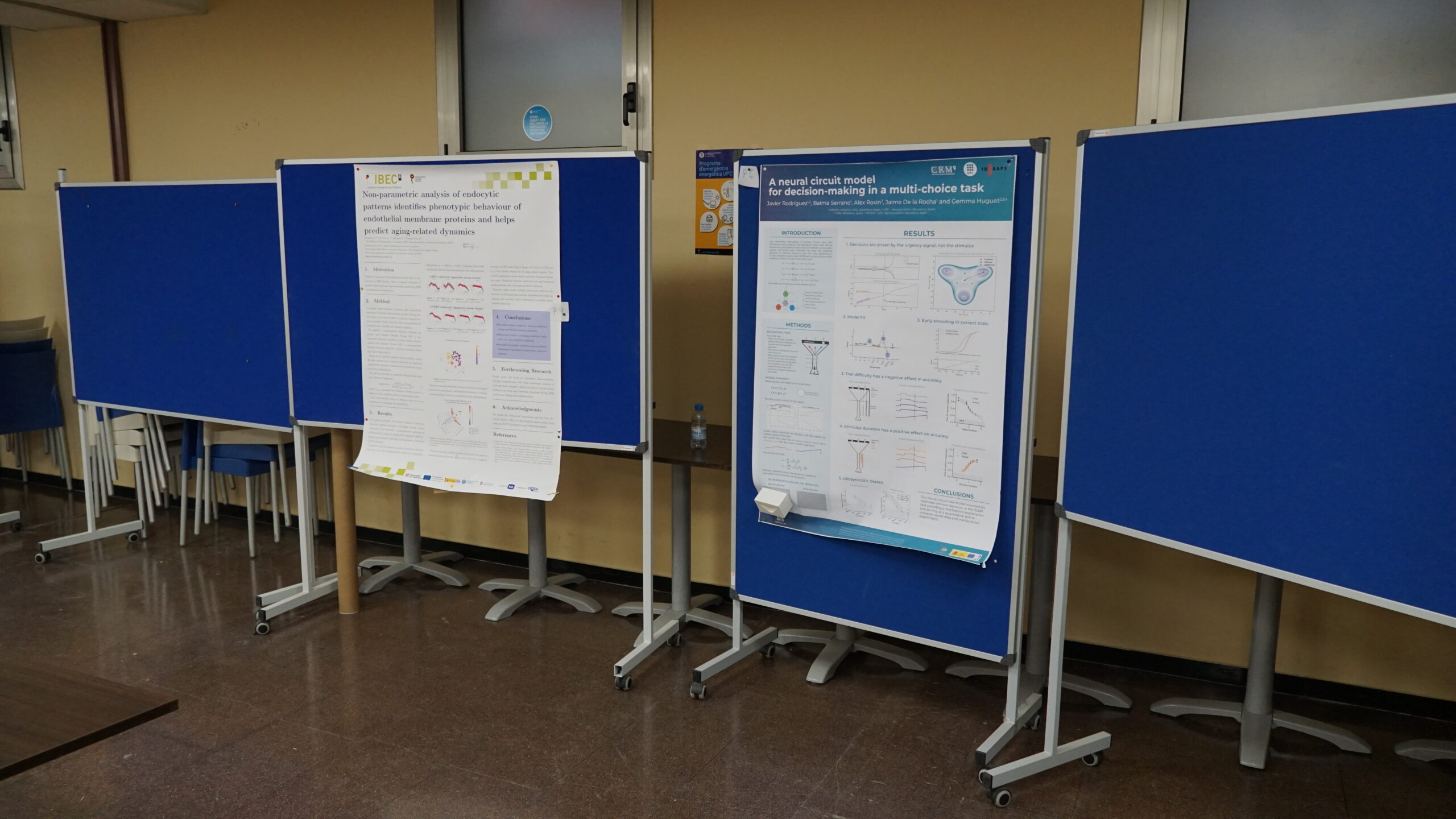
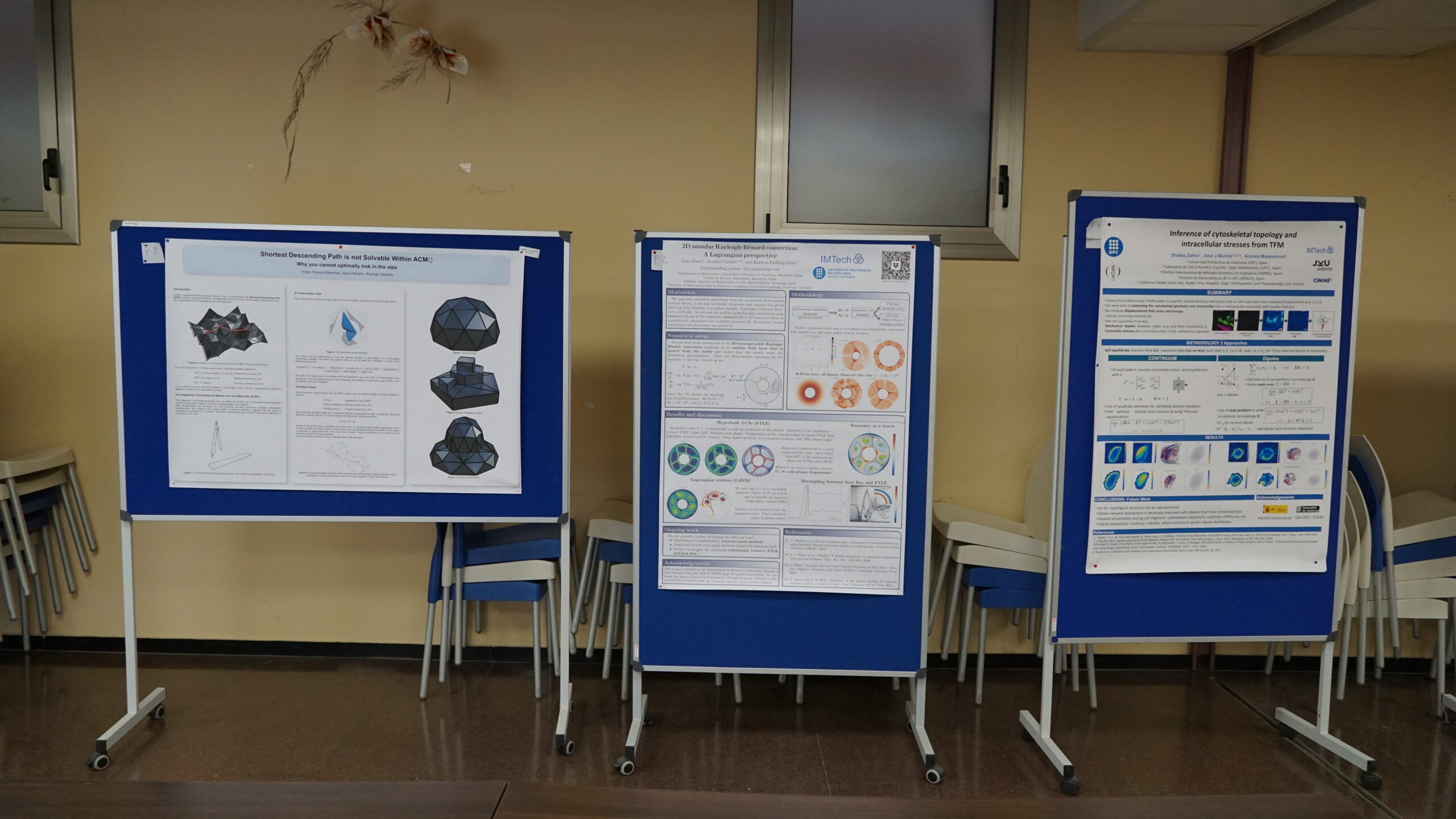
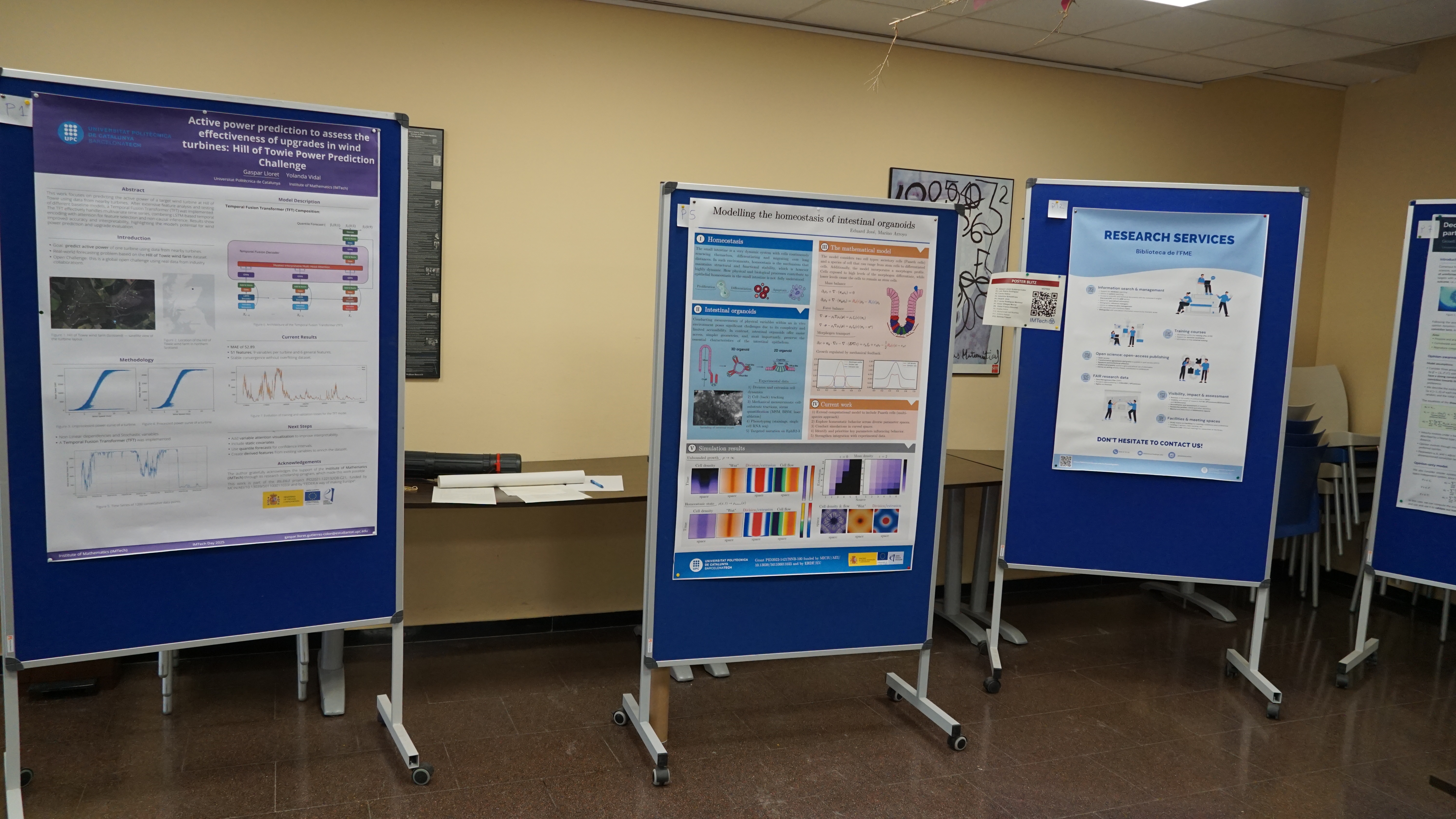
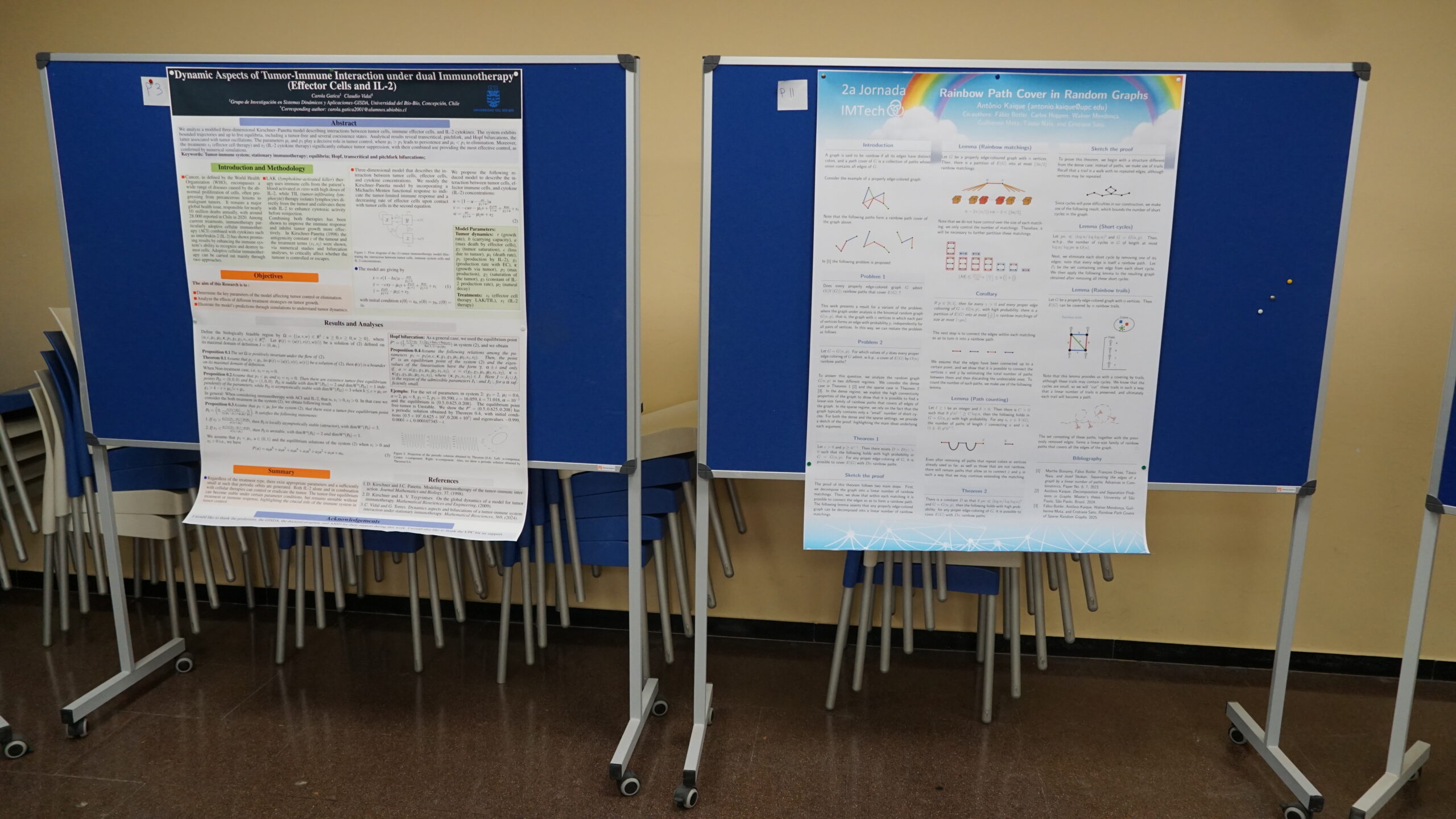
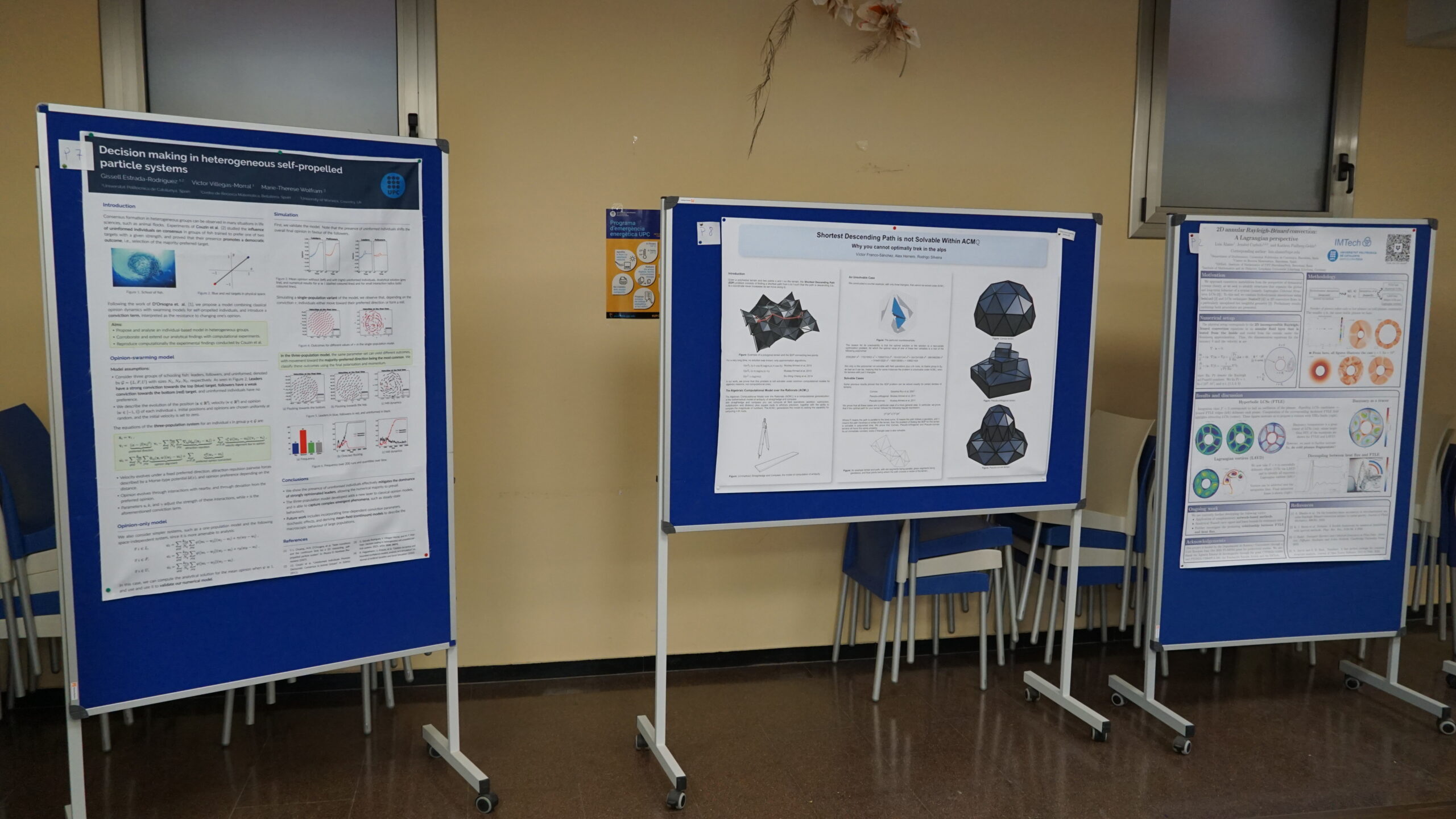
The day will feature invited talks by prominent researchers, as well as a poster session in which we encourage master’s and doctoral students to participate. There will be prizes for the best posters, and we also offer the opportunity to give a brief 5-minute presentation on the poster, which can then be discussed in detail during the poster session.
Registration is free and open to all members of the UPC community (not just those from IMTech).
We kindly ask you to complete your registration so that we can estimate the number of attendees, as well as to sign up for the poster session.
Registration link: https://forms.gle/
Talk titles and abstracts
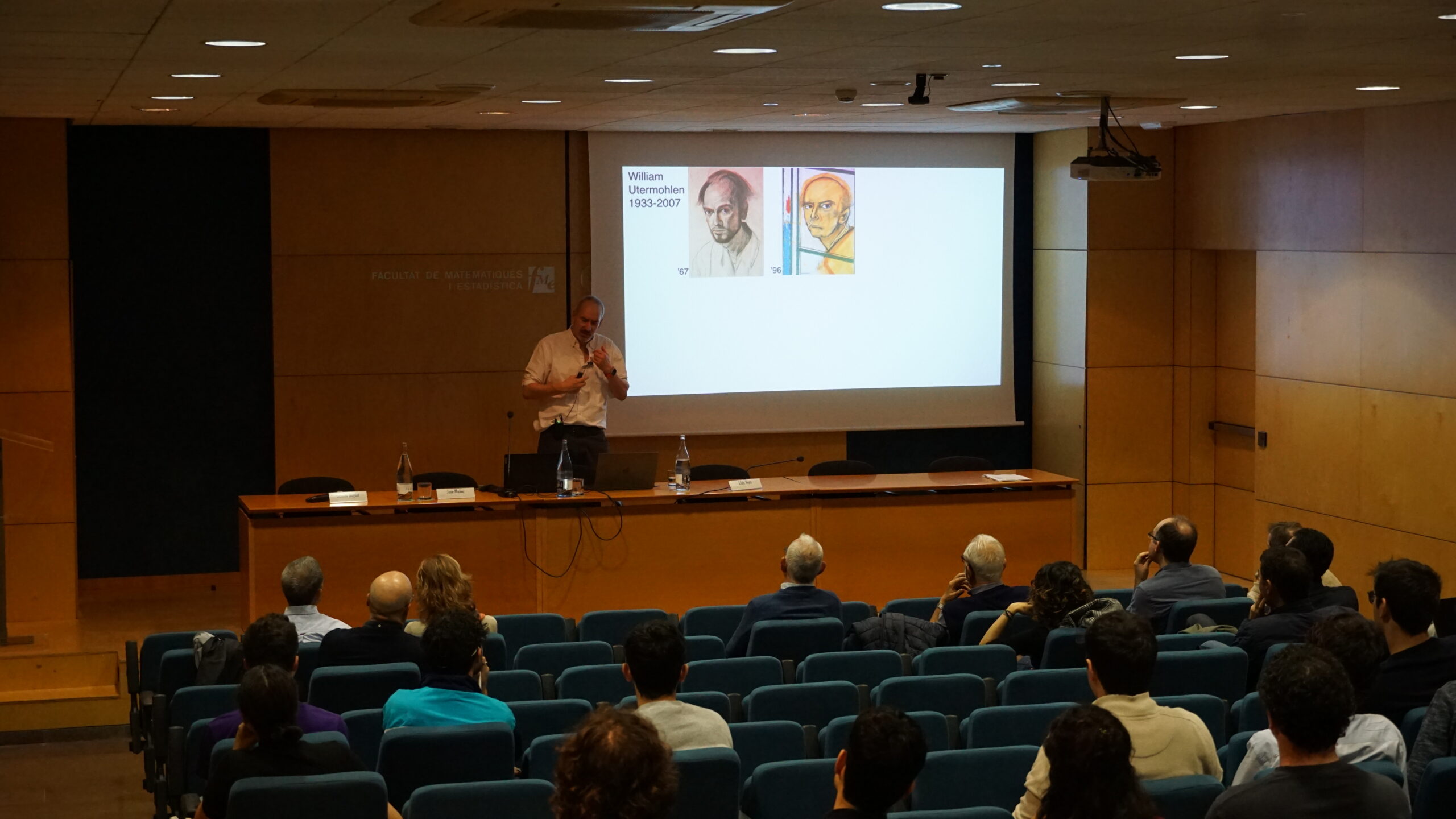
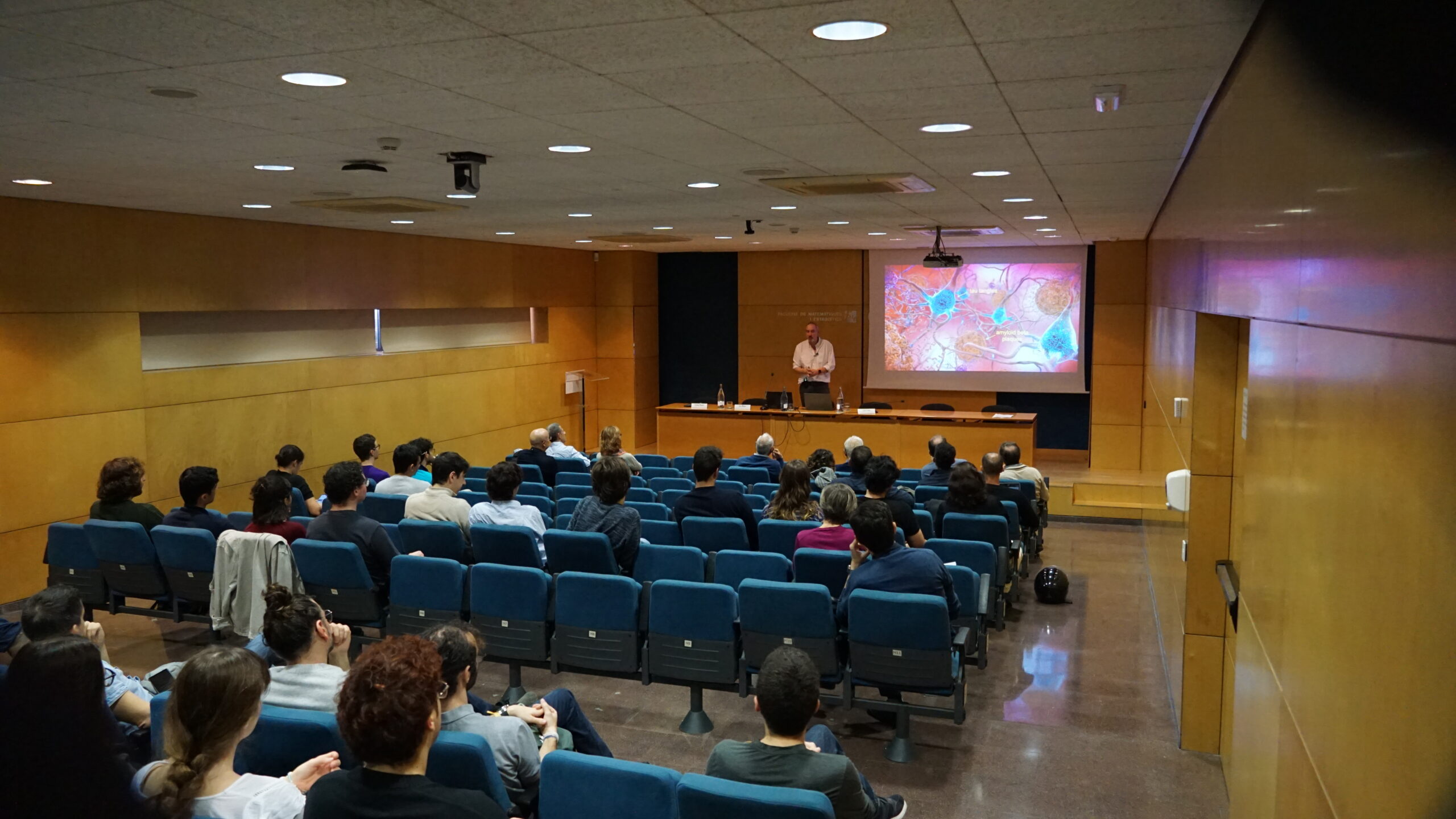
Keynote Talk: Alain Goriely (University of Oxford)

- Title: Modeling dementia
- Abstract: Neurodegenerative diseases such as Alzheimer’s or Parkinson’s are devastating conditions with poorly understood mechanisms and no known cure. Yet a striking feature of these conditions is the characteristic pattern of invasion throughout the brain, leading to well-codified disease stages visible to neuropathology and associated with various cognitive deficits and pathologies. This evolution is associated with the aggregation of key toxic proteins. In this talk, I will show how we use multiscale modelling to gain insight into this process In particular, by looking at protein dynamics on the neuronal network, we can unravel some of the universal features associated with dementia that are driven by both the network topology and protein kinetics. By further coupling this approach with functional models of the brain, we will show that we can explain important aspects of cognitive loss during disease development and link neuronal activity to the emergence of the disease.
Invited Talk: Jezabel Curbelo (UPC & CRM)
- Title: Lagrangian Techniques for Analyzing Atmospheric and Oceanic Dynamics
- Abstract:
Lagrangian techniques provide a powerful framework to analyze transport and mixing in the atmosphere and the ocean by following fluid parcels over time. In this talk, I will present several methods, including Lagrangian descriptors, finite-time Lyapunov exponents (FTLEs), and encounter/retention volume diagnostics, which reveal barriers to transport, regions of enhanced mixing, and coherent pathways.
I will also introduce a generalized spectral clustering method for identifying Lagrangian coherent clusters from trajectory data. Unlike traditional approaches based solely on physical distance, this framework incorporates additional physical properties such as water density, temperature, or salinity, enabling the detection of structures coherent in both dynamical and thermodynamical space.
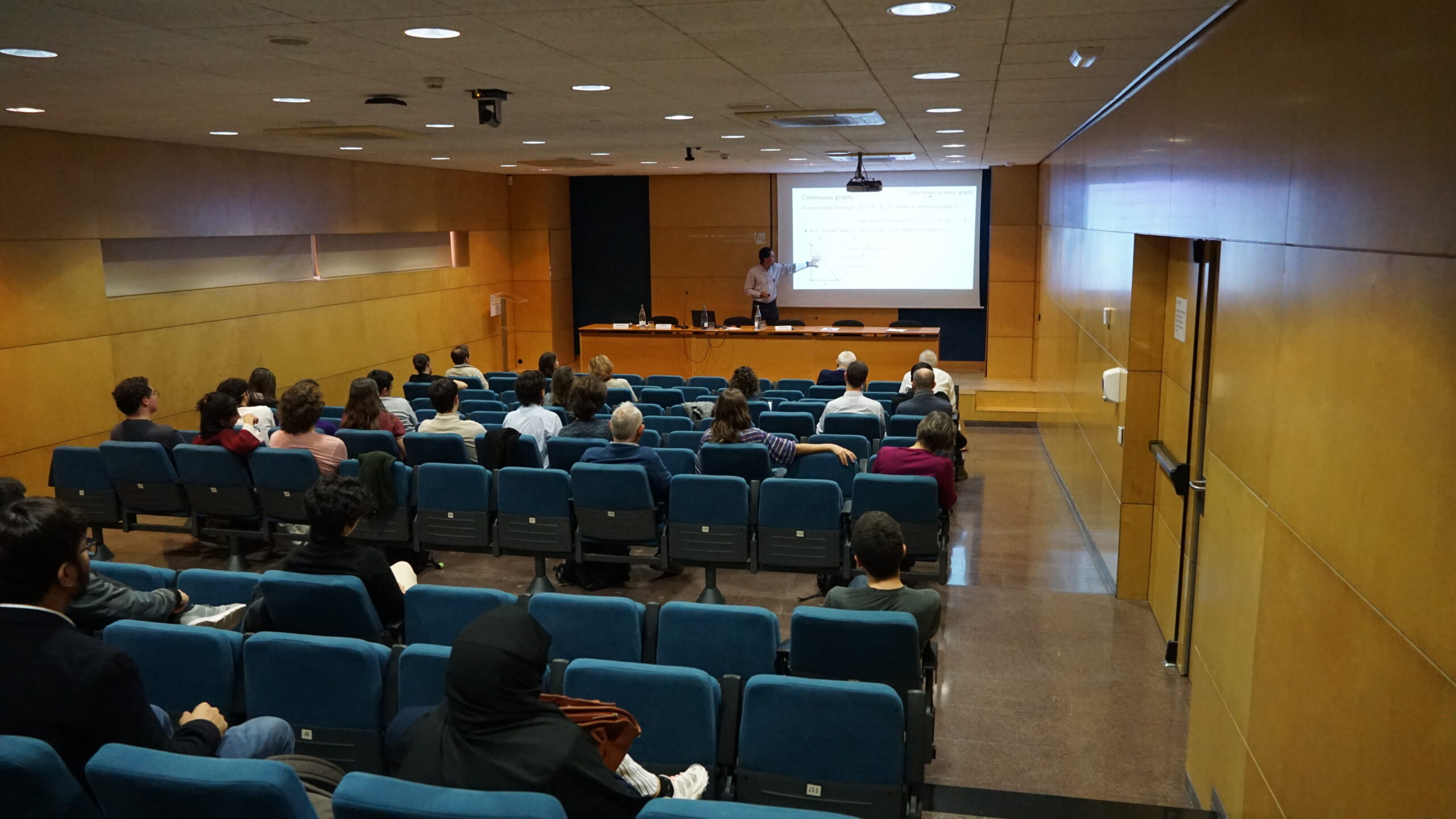
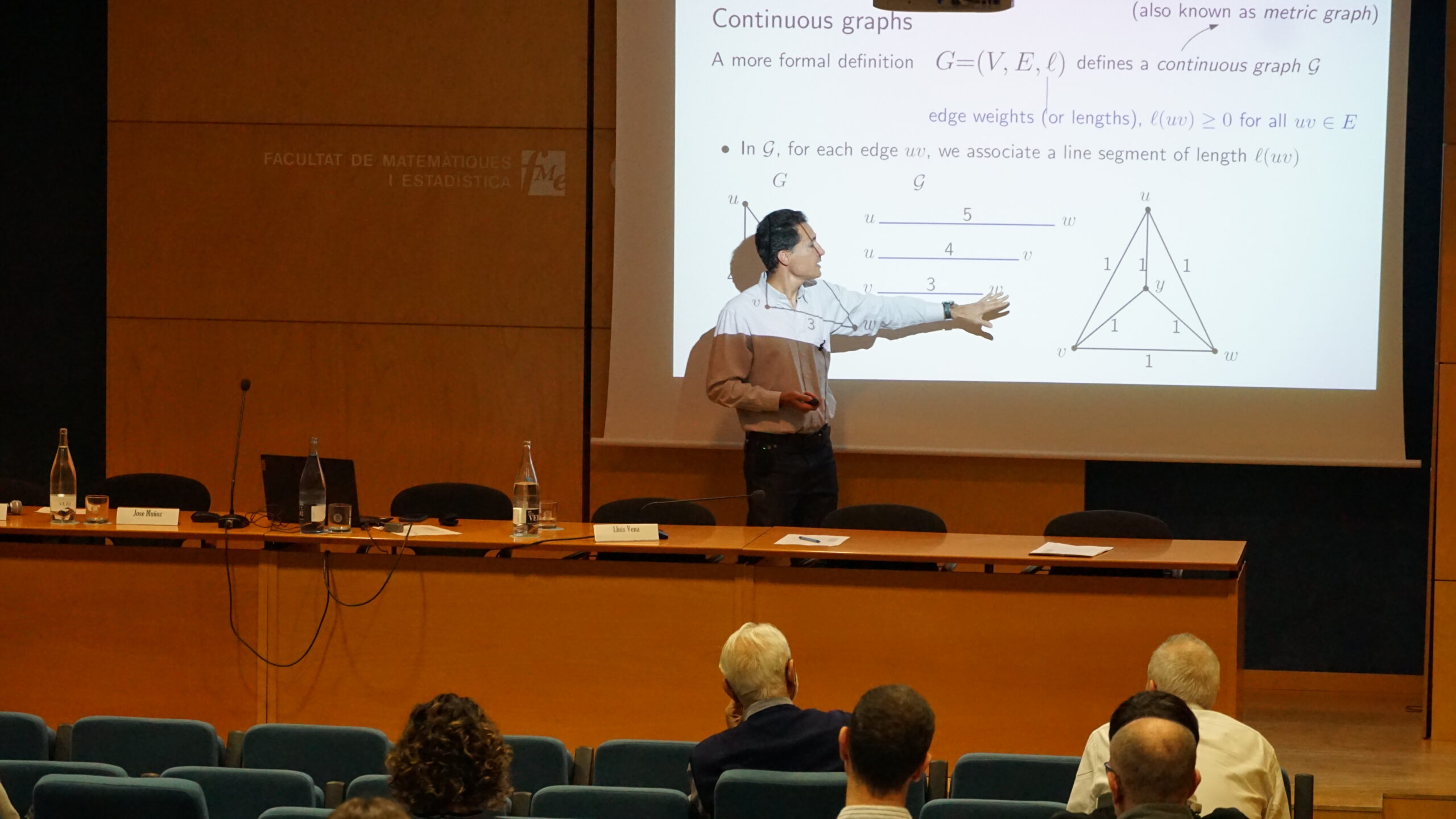
Invited Talk: Rodrigo Silveira (UPC)
- Title: Continuous Graphs: Connecting the dots, continuously
- Abstract: Graphs are among the simplest yet most powerful combinatorial structures. Defined by a set of objects, called vertices, and pairs of vertices, called edges, graphs provide a flexible framework to model an immense variety of real-world relationships, and have been extensively studied across mathematics and related disciplines. In this talk, we will explore a natural generalization of this concept: continuous graphs. In a continuous graph, each edge can be seen as consisting of infinitely many points, fundamentally altering several classical notions and parameters. For example, distances are no longer restricted to pairs of vertices, but can be measured between any two points on edges. We will revisit several well-known graph problems and examine how they transform in the continuous setting—both conceptually and algorithmically—revealing a rich landscape of new problems and some intriguing open questions.
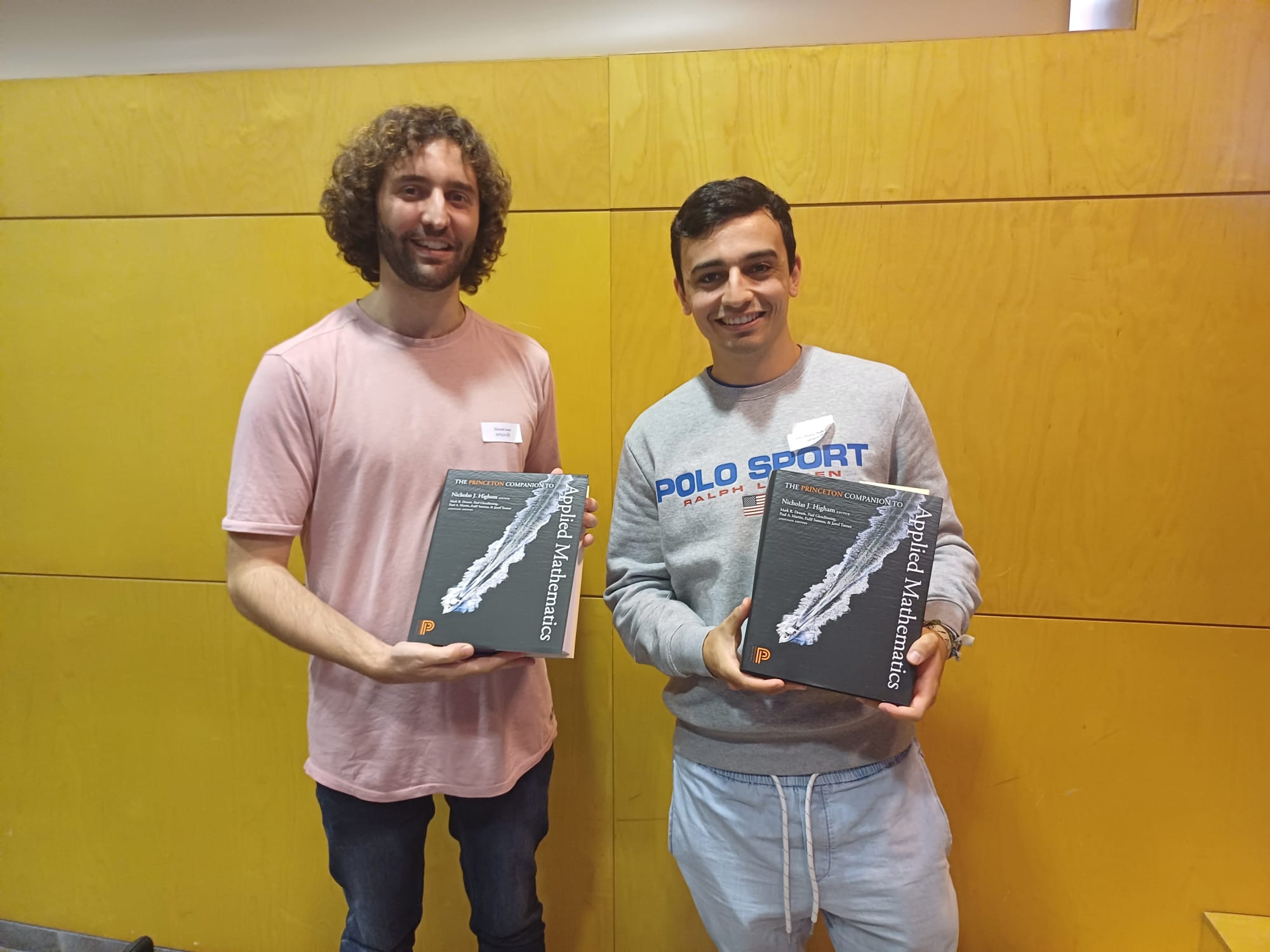
The winners of the best poster of the second edition of «IMTech Day» were: P2. Luis Álamo Rodríguez (UPC, PhD Applied Mathematics) P5. Eduard Jove (UPC, PhD Applied Mathematics) Congratulations!